
Project Snapshop
Project: Pfeiffer Canyon Bridge Replacement
Location: Big Sur, California
Challenge: Support and align a 310-foot replacement bridge span
Solution: Custom jacking support tower and 100-ton jacks
Result: Controlled positioning and lowering of the new bridge span
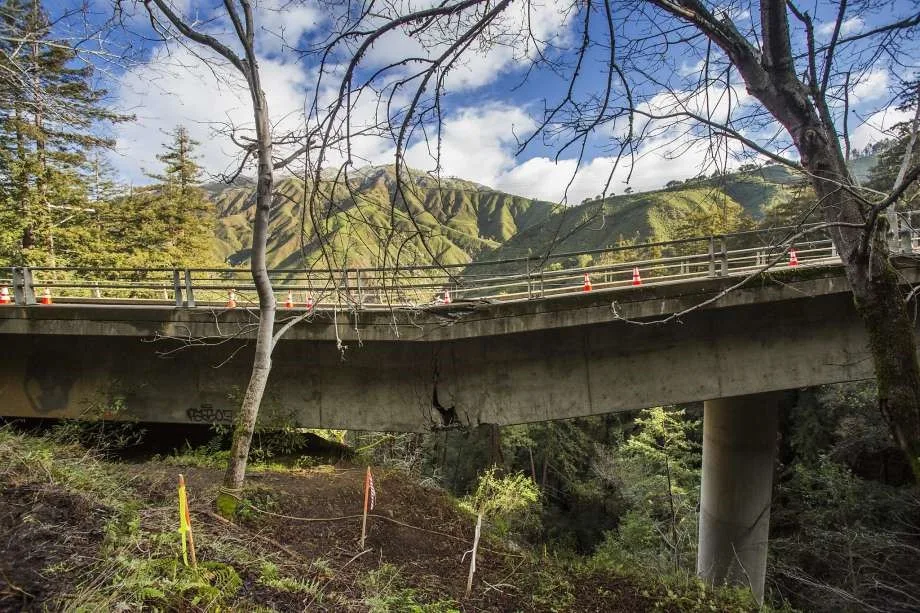
When the Pfeiffer Canyon Bridge on Highway 1 was damaged beyond repair, crews needed a safe way to support and position the new 310-foot bridge span during installation. CH Bull supplied a custom jacking support system designed to help the contractor align and lower the bridge with precision in a difficult canyon environment.
The Challenge
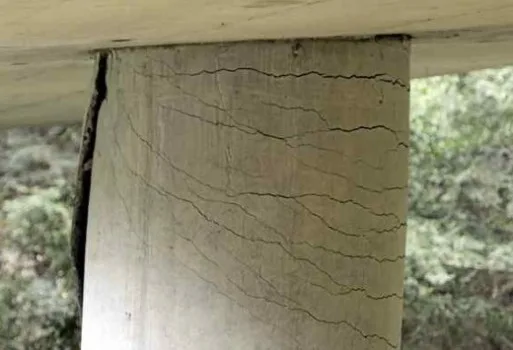
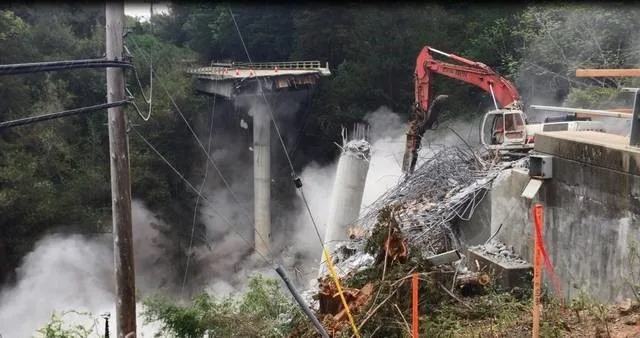
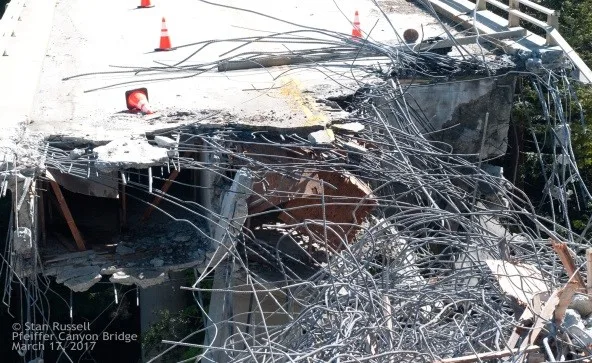
After heavy rains and mudslides, two of the bridge’s center support columns were washed out and one began to fracture. The bridge was declared beyond repair and had to be replaced quickly to restore access along Highway 1.
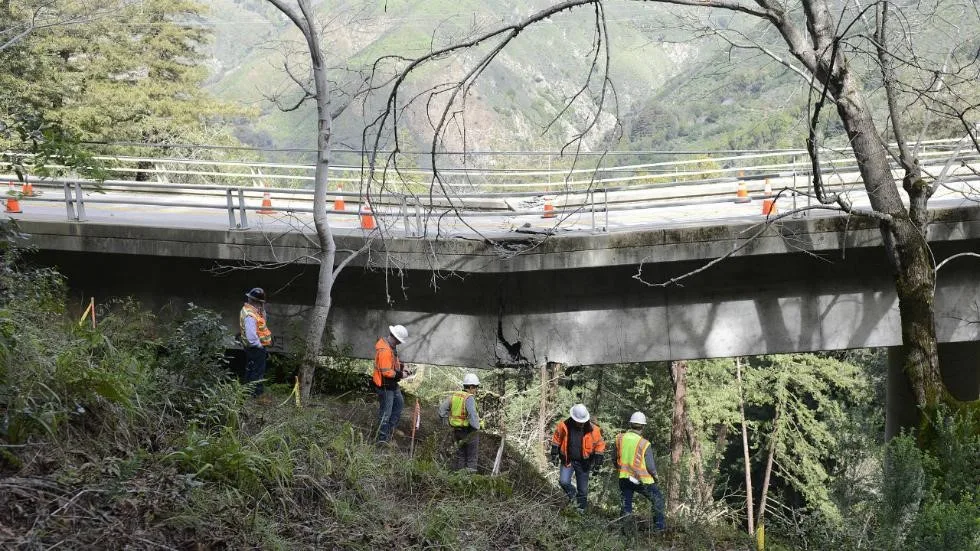
Demolition and Site Conditions
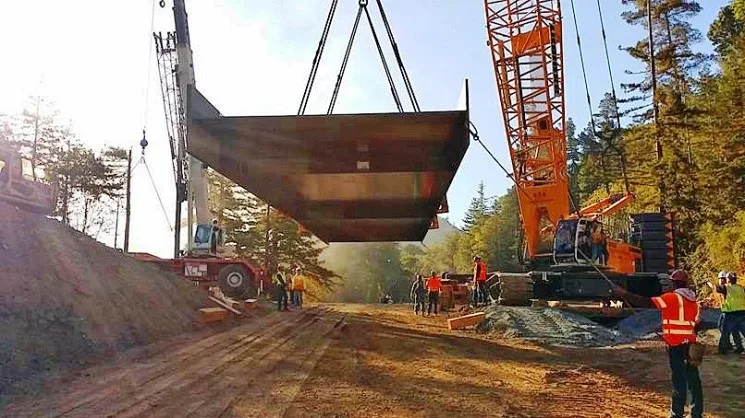
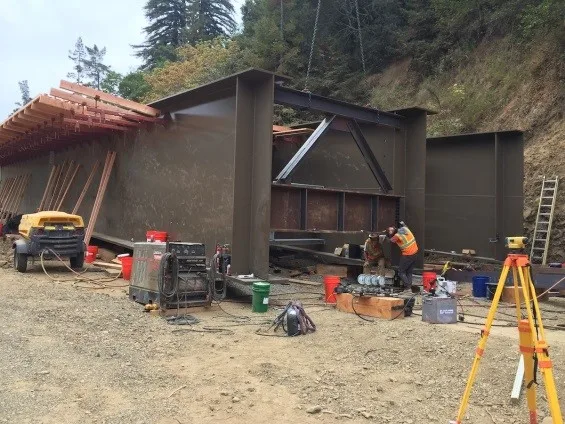
The original bridge was demolished, leaving crews with a difficult work area, limited access, and a precise installation challenge. The replacement span had to be assembled and positioned across the canyon safely.
The CH Bull Solution
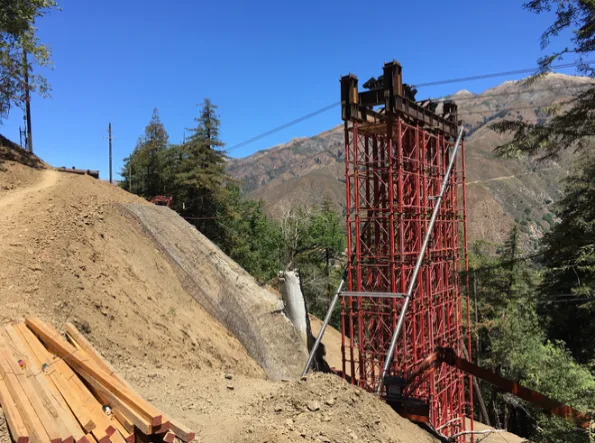
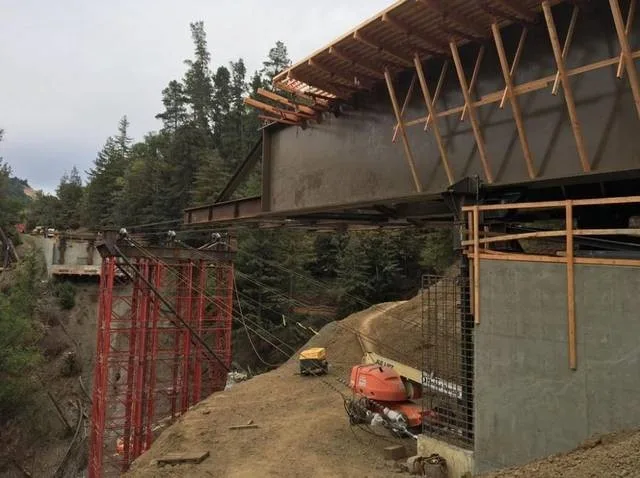
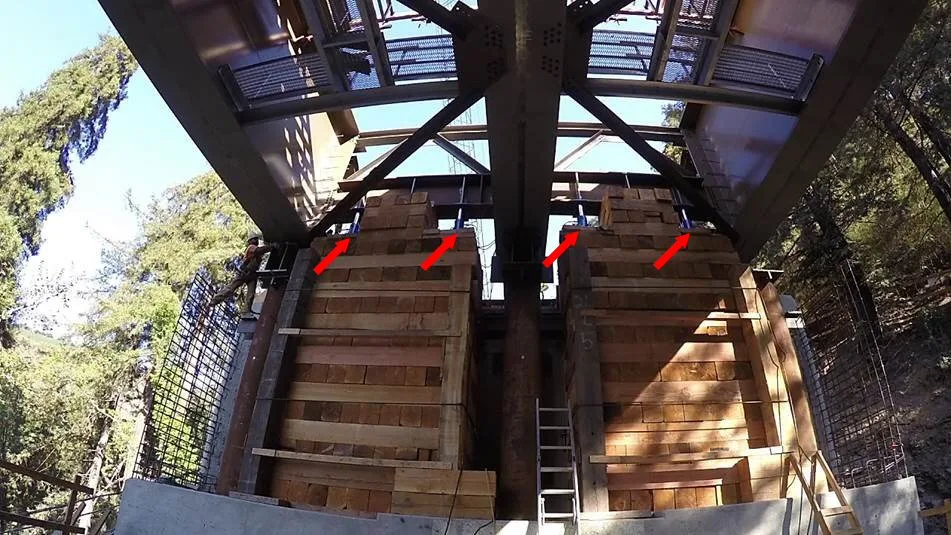
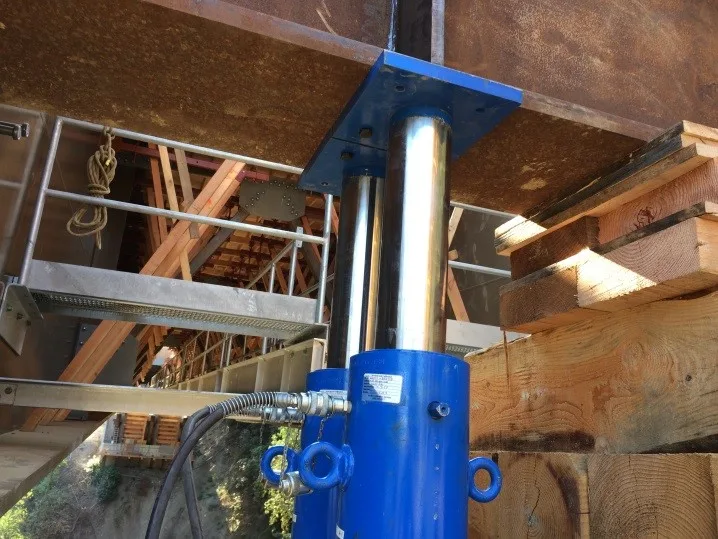
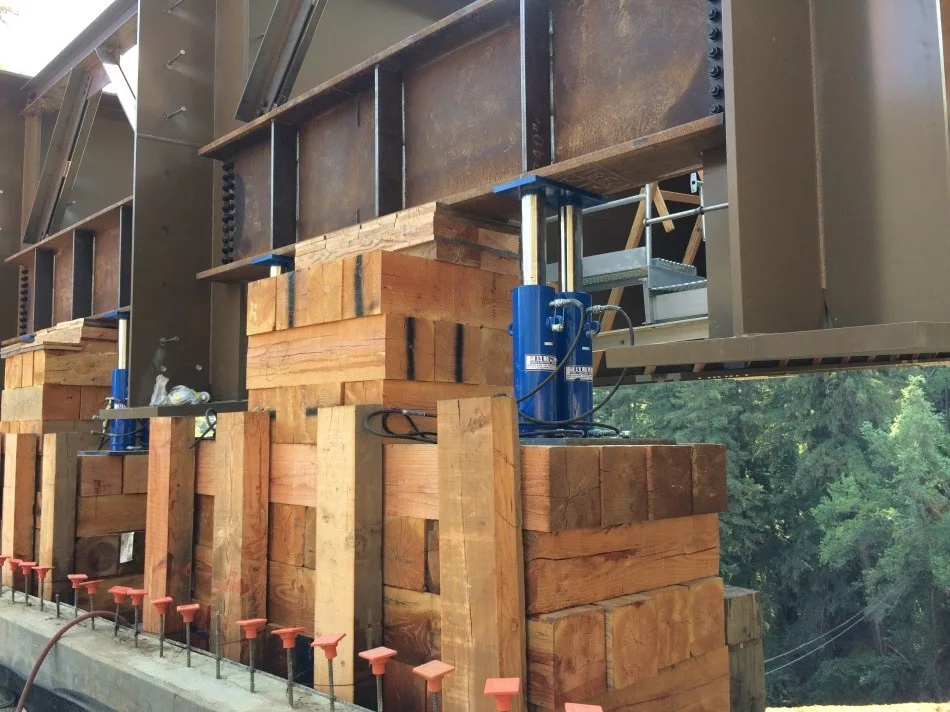
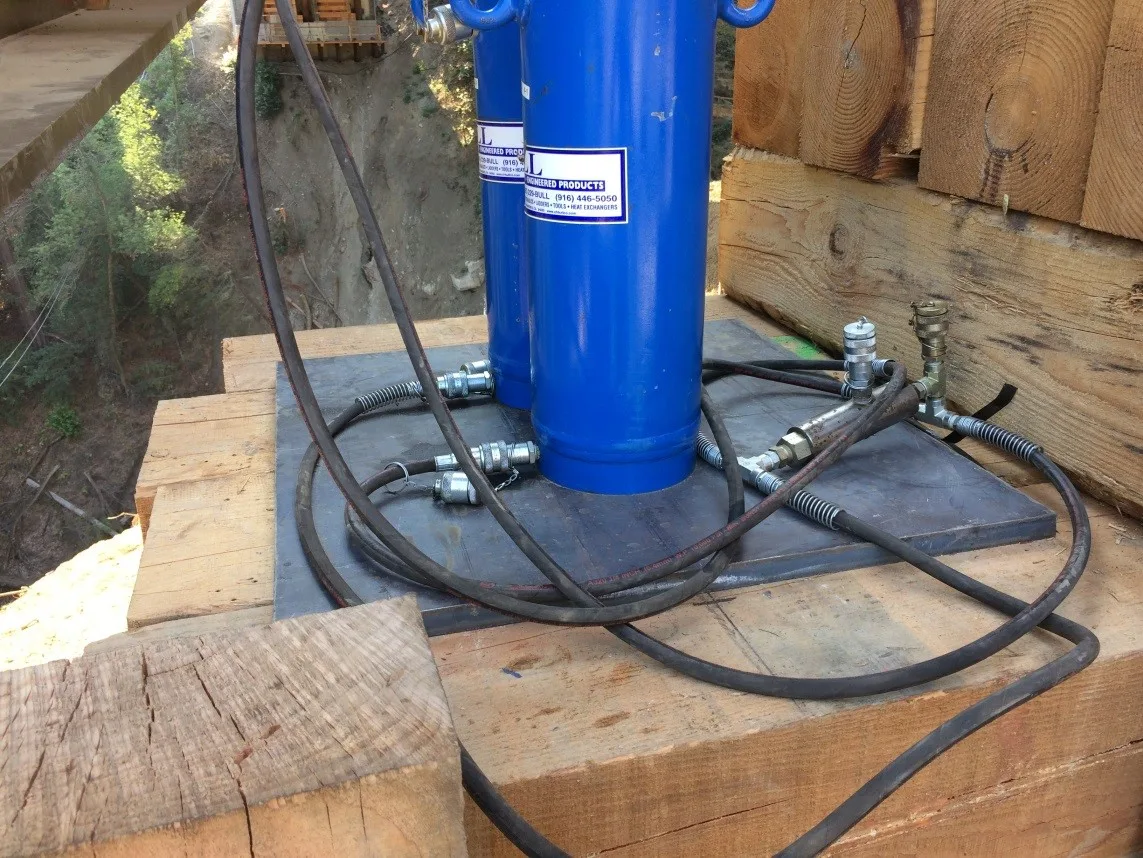
CH Bull designed a custom jacking support tower and supplied 100-ton jacks to help support, align, raise, and lower the new bridge span. The system was built around the contractor’s installation conditions, including limited clearance and uneven site conditions.
Precision Alignment and Final Placement
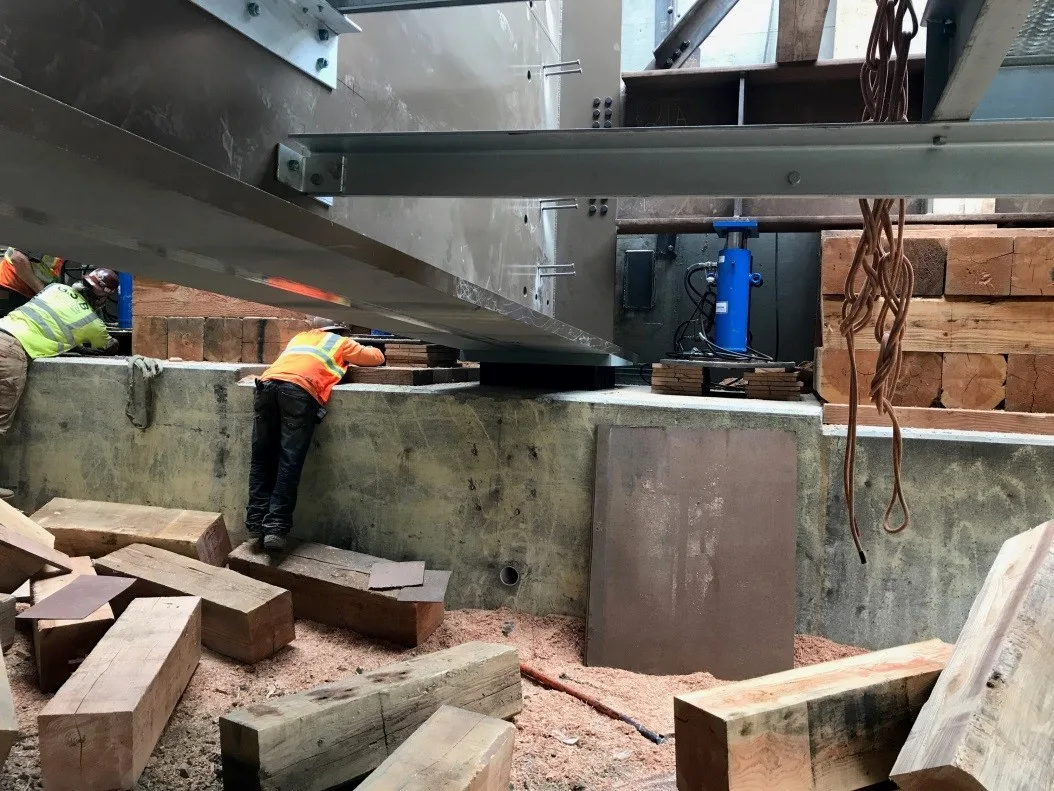
Because the bridge needed to move laterally in both directions, steel plates and rollers were used to help guide the span into proper position. C.H. Bull’s jacking expert, Stan Sheppard, was onsite during the lowering portion of the project to support the contractor’s team.
Project Outcome
With the custom jacking system in place, the contractor was able to make controlled adjustments and lower the 1,000-ton bridge span into its final position. The setup allowed the team to move the bridge laterally and align it accurately before placing it on the bearing pads.
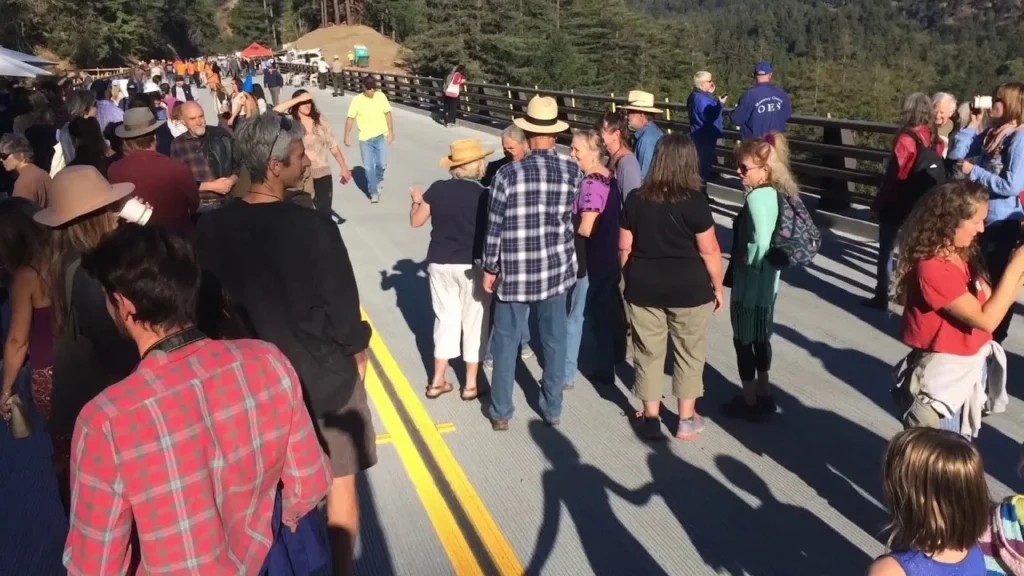
C.H. Bull’s onsite support helped the contractor manage a complex field challenge in a restricted canyon environment, contributing to the successful replacement of a critical section of Highway 1.
Need Support for a Complex Jacking Project?
CH Bull helps contractors and project teams solve difficult lifting, positioning, and load-support challenges with practical equipment solutions and experienced field support.